

Introduction
If you own rental property in Philadelphia, getting a Philadelphia Tax ID Number is one of the first legal steps required before you can operate, obtain a Rental License, or collect rent.
Many first-time landlords and out-of-state investors assume their EIN or Social Security number is enough. It is not. The City of Philadelphia requires separate registration through its Department of Revenue before any business activity begins.
For some owners, this process is straightforward. For others, especially those navigating Philadelphia rental regulations for the first time, it can quickly become confusing. The registration itself is simple. Understanding how it connects to Business Income and Receipts Tax (BIRT), your Commercial Activity License, and your Rental License is where mistakes are often made.
This Beginner’s Guide to Getting a Philadelphia Tax ID Number explains what the tax account is, who needs one, how to register, which taxes apply, and how to avoid common mistakes that delay rental licensing.
By the end of this guide, you will understand exactly how to register and what to expect. If at any point the process feels unclear or time consuming, HubKey has completed this registration process for hundreds of Philadelphia landlords and real estate investors and can ensure it is handled correctly from the beginning.
Disclaimer
A quick note: HubKey and its representatives are not tax professionals or attorneys. This guide is provided for informational purposes only and reflects our experience helping landlords navigate Philadelphia rental compliance.
Because every ownership structure and tax situation is different, landlords should consult with a qualified tax professional or attorney for advice specific to their circumstances.
Table of Contents
What Is a Philadelphia Tax ID Number?
A Philadelphia Tax ID Number, also called a Philadelphia Tax Account Number, is issued by the Philadelphia Department of Revenue when you register to conduct business within the city.
It is required for anyone earning rental income from property located in Philadelphia.
It is not your federal EIN.
It is not your Social Security number.
It is not automatically issued when you purchase property.
Registration must be completed through the Philadelphia Tax Center.
Your Philadelphia Tax Account allows you to:
- File and pay Business Income and Receipts Tax (BIRT)
- File Net Profits Tax if applicable
- Obtain a Commercial Activity License
- Proceed with Rental License application
The City of Philadelphia requires registration before engaging in business activity, including collecting rent.
Who Needs a Philadelphia Tax Account?
You must register for a Philadelphia Tax Account if:
- You collect rent from property in Philadelphia
- You own rental property through an LLC or corporation
- You self-manage rental property
- You receive business income within city limits
Even a single rental unit qualifies as business activity under Philadelphia tax code.
Most landlords must register for:
- Business Income and Receipts Tax (BIRT)
- Net Profits Tax if operating as a sole proprietor
Whether you are renting a former primary residence or adding another investment property, the registration requirement is the same.

How to Register Through the Philadelphia Tax Center
To obtain your Philadelphia Tax ID Number, visit the Philadelphia Tax Center.
Select “Register a new taxpayer.”
You will need:
- Legal name of individual or business
- EIN or SSN if sole proprietor
- Business address
- Mailing address
- Business start date
- NAICS code (typically 531110 for residential rental property)
- Create login credentials for future filings.
Once submitted, your Philadelphia Tax Account Number is typically issued immediately.
Pro tip: Your legal name must match your LLC registration if applicable. Inconsistencies between your entity filings and your Philadelphia Tax registration can delay Rental License approval.
After registration, you must confirm the correct tax types. Here, you’ll need to select Business Income and Receipts Tax and (BIRT) and Net Profits (NPT).
Business Income and Receipts Tax (BIRT) Requirements
Most landlords must register for Business Income and Receipts Tax (BIRT) when obtaining a Philadelphia Tax ID Number.
BIRT applies to:
- Gross rental receipts
- Net income from rental operations
Even if your property does not generate profit, an annual BIRT filing is generally required.
Many landlords are surprised to learn that zero profit does not eliminate filing obligations.
If you operate as a sole proprietor without an LLC or corporation, you may also be subject to Net Profits Tax.
Selecting incorrect tax types or structuring registration improperly can create compliance issues that are difficult to correct later.
Confirming Your Ownership Structure
Philadelphia tax treatment depends on how the property is owned.
Confirm:
- Is the property owned personally
- Is it owned by an LLC
- Is the LLC registered in Pennsylvania
If your LLC was formed outside Pennsylvania, you may need to register as a foreign entity with the Pennsylvania Department of State before completing Philadelphia Tax registration.
Incorrect structure setup can delay:
- Commercial Activity License issuance
- Rental License approval
- Future tax filings
For landlords transitioning from self-management to a more formal ownership structure, this step is especially important.
Commercial Activity License Requirements
After receiving your Philadelphia Tax Account Number, you must apply for a Commercial Activity License.
You can apply through the City of Philadelphia Eclipse website.
The Commercial Activity License is required before applying for a Rental License.
You cannot legally obtain a Rental License without:
- A Philadelphia Tax Account
- A Commercial Activity License
For landlords responding to a city notice or preparing a new lease, completing these steps in the correct order prevents delays.
Why Rental Compliance Matters in Philadelphia
Philadelphia’s rental regulations are not just administrative requirements. Failing to complete the proper registrations can have serious financial and legal consequences for landlords.
Without a valid Rental License in Philadelphia:
- A tenant may legally withhold rent
- A landlord cannot file for eviction
- Courts may refuse to enforce the lease
Philadelphia courts have increasingly treated rental licensing as a prerequisite for enforcing landlord rights.
For example, if a tenant stops paying rent during a dispute and the property does not have an active Rental License, the landlord may have limited legal options to recover the unpaid rent.
In some cases involving lead paint compliance, emerging case law has even required landlords to return previously collected rent when the property did not meet Philadelphia lead disclosure requirements.
These risks are not hypothetical. Many landlords only discover these issues after a tenant dispute or repair disagreement escalates.
HubKey regularly takes over property management mid-lease when conflicts arise between tenants and landlords. In many of those cases, the underlying issue is that the property was not properly licensed or registered before the lease began.
Without the correct registrations in place, a landlord may find themselves unable to enforce the lease they believed was valid.
All Philadelphia property licensing information is publicly accessible through the City’s property database at atlas.phila.gov, meaning tenants and attorneys can quickly verify whether a property is properly registered.
Ensuring that your Philadelphia Tax Account, Commercial Activity License, and Rental License are completed correctly from the start protects both your rental income and your legal rights as a landlord.
Prefer to Have This Handled for You?
If you would rather not navigate Philadelphia tax registration and licensing requirements on your own, HubKey regularly handles Philadelphia Tax ID registration and rental compliance coordination for landlords and investors.
We ensure the process is completed correctly and aligned with your Rental License requirements.
Contact HubKey to learn more.
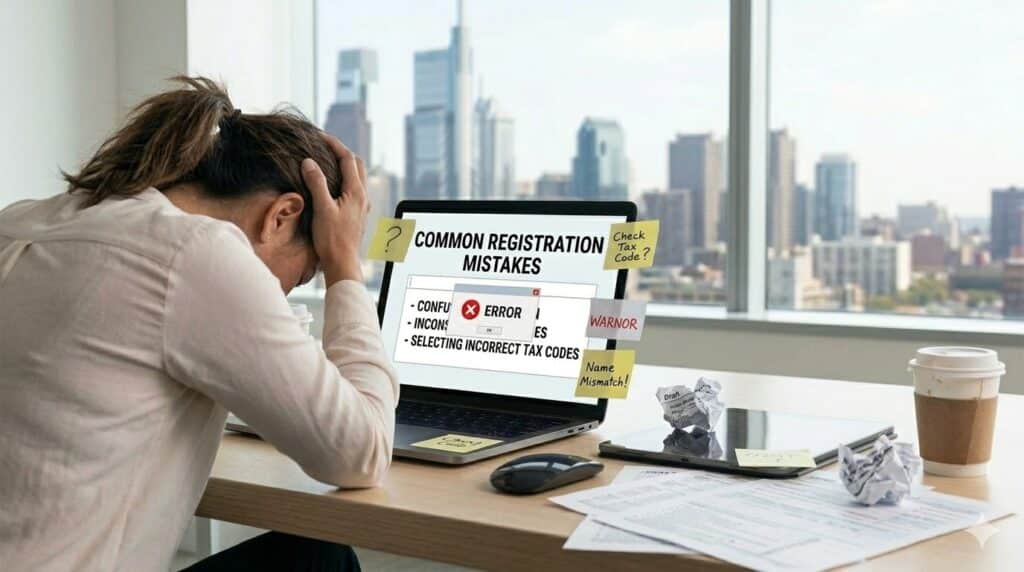
Common Philadelphia Tax Registration Mistakes
Confusing EIN with Philadelphia Tax ID
Your federal EIN does not replace city registration.
Failing to register before collecting rent
Operating without registration can create legal exposure and licensing delays.
Selecting incorrect tax types
Improper registration can lead to penalties or missed filings.
Failing to file annually
Even if you owe zero dollars, BIRT must be filed.
Using inconsistent legal names
Name mismatches can delay Rental License approval and complicate compliance.
Conclusion
Getting a Philadelphia Tax ID Number is one of the first compliance steps required for rental property owners in 2026.
The process includes:
- Registering through the Philadelphia Tax Center
- Selecting the correct tax types
- Confirming your business structure
- Obtaining a Commercial Activity License
- Then proceeding with Rental License application
While the process is straightforward, mistakes can cause delays in licensing, leasing, and tax compliance.
Landlords who complete their Philadelphia Tax Account registration correctly from the beginning reduce risk and avoid unnecessary stress later.
If you would like assistance ensuring your Philadelphia rental property is properly registered and aligned with licensing requirements, HubKey can guide you through the process and handle the coordination on your behalf.
FAQ About Philadelphia Tax ID Numbers
How do I get a Philadelphia Tax ID number online?
Register through the Philadelphia Tax Center. Select “Register a new taxpayer,” enter your legal business information, and choose the appropriate tax types. Once completed, your Philadelphia Tax Account Number is typically issued immediately.
What is a Philadelphia Tax Identification Number (PHTIN)?
A Philadelphia Tax Identification Number, often referred to as a Philadelphia Tax Account Number, is issued by the City of Philadelphia when you register to conduct business within city limits. It allows you to file and pay city taxes such as Business Income and Receipts Tax (BIRT). It is separate from your federal EIN.
How many digits is a Philadelphia Tax Account Number?
Philadelphia Tax Account Numbers were previously issued as seven-digit identifiers. The City of Philadelphia has transitioned to ten-digit account numbers in recent years, which has created some confusion for landlords reviewing older documentation.
What is the Philadelphia Tax Center?
The Philadelphia Tax Center is the City’s online portal for registering businesses, filing taxes, making payments, and managing tax accounts.
Do I need a Philadelphia Tax ID to collect rent?
Yes. Rental income is considered business activity under Philadelphia tax rules. Landlords must register before collecting rent and before applying for a Rental License.
What is a BIRT account in Philadelphia?
BIRT stands for Business Income and Receipts Tax. Most Philadelphia landlords must register for BIRT when obtaining a Philadelphia Tax ID Number. Annual filing is generally required even if no profit is earned.